

()
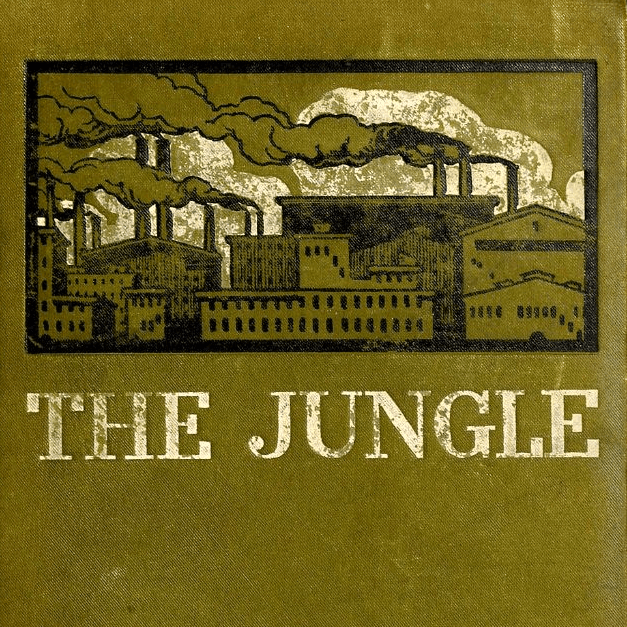
In the following excerpts from Upton Sinclair's "The Jungle" (1906), the main character, Jurgis Rudkus, after toiling for years at the meat-packing plants in Chicago, hears the words of an orator from the American Socialist Party. Later, the academic visionary Dr. Schliemann articulates a compelling blueprint for a Cooperative Commonwealth, a socialist utopia where the systemic waste of capitalist competition is replaced by collective efficiency. Through vivid descriptions of mechanized communal labor and the liberation of domestic life, he presents a transformative alternative to the grueling industrial struggle. This intellectual awakening profoundly impacts Jurgis, offering a flicker of hope and a structured path toward dignity and equality for the long-suffering working class. The narrative culminates in a powerful philosophical argument for social reorganization, inviting readers to imagine a world where human life and potential is no longer sacrificed for profit. Comparable works include The Jungle by Upton Sinclair